Our Community Partners
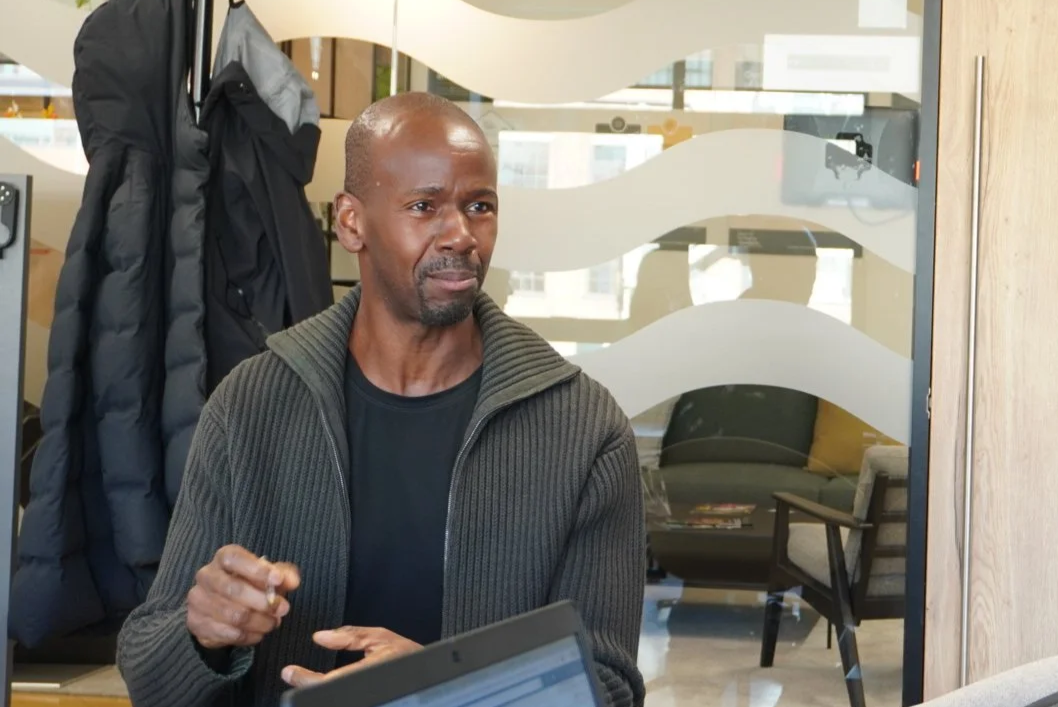
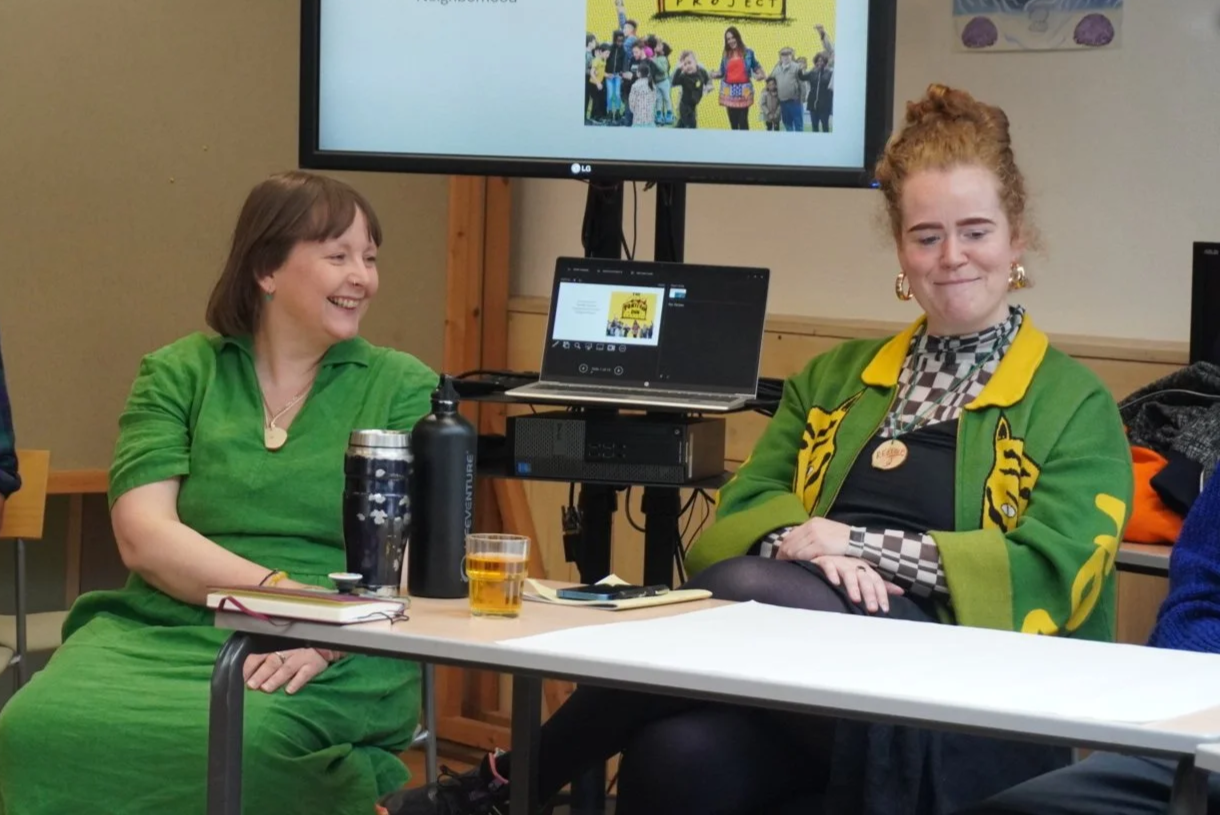
A key part of the Air is Kin Methodology is directed by our relations to communities addressing the health impacts of air pollution. We work with communities primarily through dedicated community partners by engaging in co-production and support via our network experts, including other community partners.
Meet the Community Partners
Cellina
Edmonton, North London
-
Residents of Edmonton Angel Community Together (REACT) is a community in North London. The community is affected by various sources of air pollution, including an incinerator in close proximity. The neighbourhood is deemed one of the most disadvantaged in the UK, a large proportion of people belong to minoritised ethnic groups, and many people do not have English as their first language. Cellina Momodu Doswell, our main contact, describes that many people in the neighbourhood do not yet understand the negative effect that air pollution has on their health. She has observed that air pollution can lead to social isolation of elderly women in her community. Cellina wants to reduce social isolation in her community with a community gardening project. She also wants to run workshops on wellness to improve community health and well-being.
-
Initial aims:
Improve community health and well-being, specifically reduce social isolation, by organising a community gardening project.
Educate the community about the effects of air pollution on health and how to best help their well-being, by running regular wellness workshops.
Additional aims (developed over time):
Collect health data using the Signs and Symptoms Questionnaire/Health Diary.
-
We commit to working with REACT for up to three years.
We meet with Cellina once a month to catch up, brainstorm, and strategise.
We provide Cellina with AIK resources.
We provide an initial advocacy grant of £1,000 to support her initiatives.
We support Cellina in collecting health data using the Signs and Symptoms Questionnaire/Health Diary.
We will also explore the relationship between air pollution and social isolation/loneliness when Cellina is ready.
Rebecca & Anna
Stoke on Trent
-
The Portland Inn Project (PIP) is a community in Stoke-on-Trent in central England. They are affected by various sources of air pollution: an industry producing lubricants (FUCHS), an industry making steel products, specifically cutting metal and thereby creating noise and smell (Brown McFarlane), a brownfield site (Bluefield Sandbach), and busy roads. Many are also affected by mould in their homes (owned by private landlords). The community has noticed changes in nature, specifically the bird ecosystem, as well as their health, with many reporting problems with asthma.
-
Initial aims:
To collect data, specifically air quality monitoring, but also health (bioindicators).
To understand better the impact the poor air quality can have on the body.
To make air pollution visible, to prove that they are exposed to air pollution, and to make industrial polluters admit that they are the source.
To understand what can be done to improve the community’s health.
-
We will support them in creating a data gathering plan (e.g. providing the Signs and Symptoms Questionnaire/Health Diary).
We will help identify the story that they need to achieve their goals.
We will help understand how to use air quality monitors to tell part of their story.
We provide AIK resources (including the air quality monitoring manual).
We will connect them with scientists and doctors.
Beccy
Brighton
-
AGHAST is a community in Brighton. They are affected by a Berkeley development on contaminated land on a previous gasworks site. The community is worried about the impacts the development will have on their health, especially pollutants currently sealed in the ground but to be released during the development. The community felt disheartened when the council’s decision to turn down Berkeley’s plans was appealed in the autumn of 2025. Beccy East, our main contact, said that the community now feels more energised again to work towards the best possible outcome. The main aim is to safeguard the community’s health. They want an advanced remediation plan (based on conversations with Jude from Keep Kensal Green about pressure tents). They also want to monitor air quality around the site and collect baseline health data and follow-up data. They want to collect data as robust evidence to campaign for legal action. Ultimately, they want to change the law on remediation.
-
Initial aims:
To collect air quality data around the site.
To collect baseline (and follow-up) health data.
To achieve a more robust remediation plan.
To change the remediation law.
-
We donate £500 to their fundraising campaign (as an advocacy grant).
We provide AIK resources, including the air quality monitoring manual.
We review a validated health survey the community has identified.
We connect the community with scientific/academic and healthcare advisers.
Jude
Kensal Green, West London
-
Keep Kensal Green is a community in West London. The community is affected by a Ballimore and Berkeley development on a previous gasworks site. Jude Allen, our main contact, learned about Centric from Angela Fonso (Southall, CASH). She started the campaign in 2023 and wants to stop the development or at least achieve that more attention is given to remediation plans. The main aim is to safeguard the community’s health, which Jude wants to achieve with legal action. She wants to collect data through air quality monitoring and hold the developer and council accountable.
-
Initial aims:
They want to stop the development or at least advance remediation plans.
They want to focus on raising awareness, political discourse, and legal action.
They want to create a playbook to share their learnings with other communities.
Additional aims (developed over time):
They want to further develop a map of gasworks sites to raise awareness.
-
We commit to working with REACT for up to three years.
We meet with Cellina once a month to catch up, brainstorm, and strategise.
We provide Cellina with AIK resources.
We provide an initial advocacy grant of £1,000 to support her initiatives.
We support Cellina in collecting health data using the Signs and Symptoms Questionnaire/Health Diary.
We will also explore the relationship between air pollution and social isolation/loneliness when Cellina is ready.
Serafina
Mitcham, Southwest London
-
Mitcham is a community in South London who are affected by the remediation and development of a former gas works site. St. William (Berkeley Group) wants to develop an 11-storey building (over 600 flats, no affordable housing) on a former gas works site. They started remediation in 2020 but stopped and closed the site in around 2022 after the community complained about very bad odours and health problems (headaches, nausea, itchy skin and eyes, coughing; with kids having to go to hospital). At the end of 2025, the council has approved to re-open the site and start construction (no definite start date), without consultation of the community. The community is concerned about the effects this will have on their health. Council and MP are not responding to their emails/concerns.
-
Initial aims:
To collect health data before and after they re-opened the site.
To collect air quality data.
To get the MP to listen to the community.
-
We provide infrastructure (i.e. AIK resources and the AIK network for support).
We will run a workshop on the signs and symptoms questionnaire/health diary.
We connect the community with scientific/academic and healthcare advisers.
We offer an advocacy grant of £500 to cover costs and lower the financial burden.
Solène, Liz, and Katherine
Lea Valley, North London
-
AGHAST is a community in Brighton. They are affected by a Berkeley development on contaminated land on a previous gasworks site. The community is worried about the impacts the development will have on their health, especially pollutants currently sealed in the ground but to be released during the development. The community felt disheartened when the council’s decision to turn down Berkeley’s plans was appealed in the autumn of 2025. Beccy East, our main contact, said that the community now feels more energised again to work towards the best possible outcome. The main aim is to safeguard the community’s health. They want an advanced remediation plan (based on conversations with Jude from Keep Kensal Green about pressure tents). They also want to monitor air quality around the site and collect baseline health data and follow-up data. They want to collect data as robust evidence to campaign for legal action. Ultimately, they want to change the law on remediation.
-
Initial aims:
They want the council and developer to pay more attention to the remediation plans.
They want to do everything they can to safeguard the community’s health.
-
We provide AIK resources, including the AIK academic and Signs and Symptoms Questionnaire/Health Diary.
We provide an initial advocacy grant of £1,500 that the community can use in whichever way they think is helpful.
We attended a community meeting.
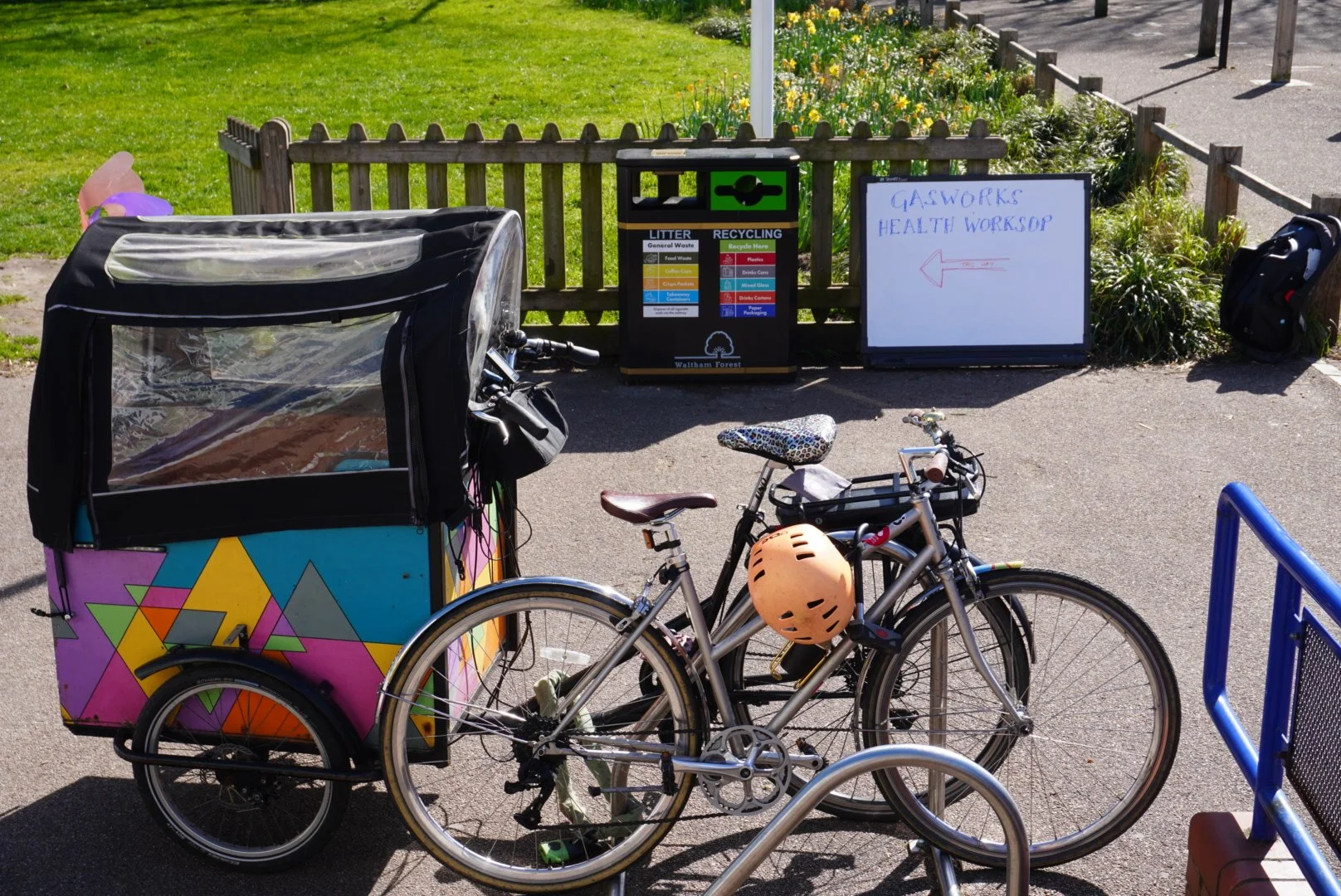
We ran a health workshop.
We support them in setting up a Miro to collect and centralise information.
AIK Community Peer Group
A fundamental part of a living lab and participatory action research is fostering a community that is enabled to co-create of tools and research on topics that matter to them.
For this reason, we’ve recently piloted the UK-wide AIK Community Peer Group. By inviting our AIK Community Partners and others within our ecosystem with similar goals within air pollution, community health, and justice, we are creating a space that encourages research embedded in community and lived experience contexts and colearning amongst those actively seeking justice.
We are using the AIK Community Peer Group to co-develop and innovate methodologies around how communities withstand and create healing infrastructure. Community Peers also get a chance to run workshops for each other to communally upskill.