

Our Reports

Creating a Data Culture for Health Justice
Data does not operate in a vacuum as every part of the process is coloured by top down factors such as culture. Which data is collected, how it is analysed and the insights drawn from data are all decision points practitioners have to make and all practitioners belong to a specific culture which influences them.
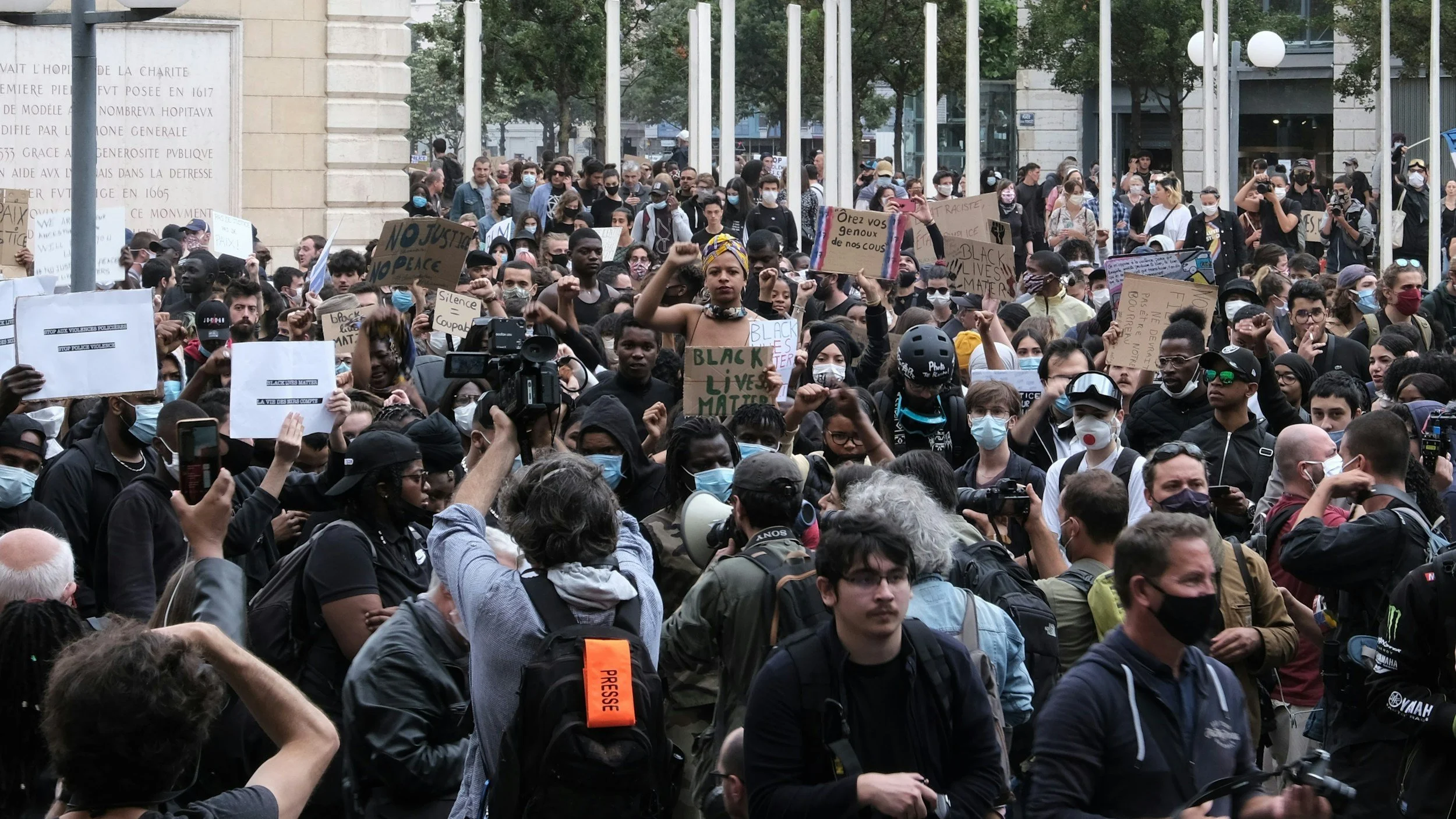
Gaslighting Communities: Pathways to Injustice
In this essay, we will be detailing the pathways of oppression, including the role that science, policy, and city organisers play.

Using Data For Health Justice
The mission of this report is to reframe the culture around data to ensure that we understand its limitations, reframe from supremacy to a tool for justice, and introduce a more accurate lexicon so we can better our collective understanding of data.
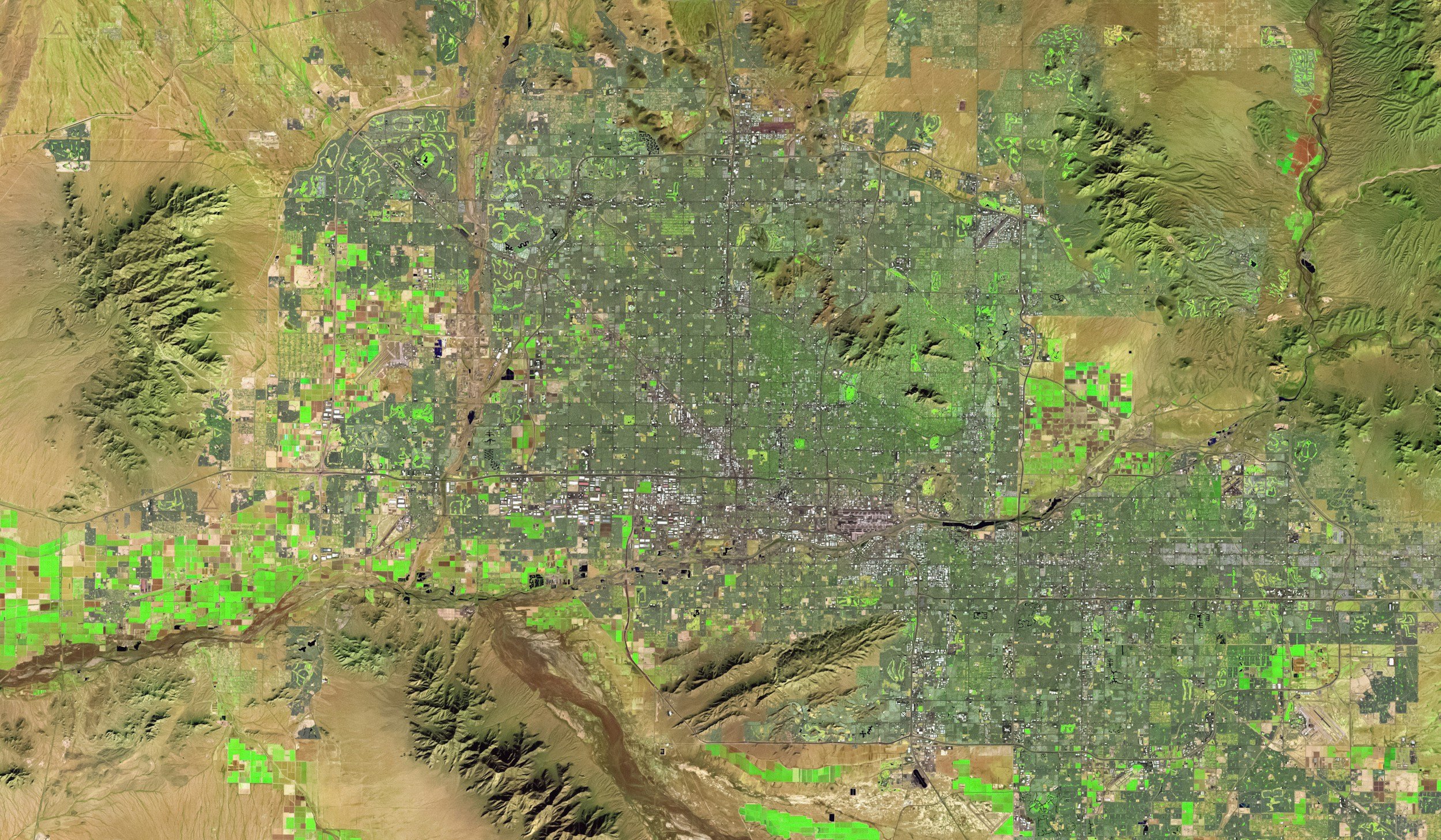
Steps to Macro Environmental Data for Health Justice
Data intentionally used for health justice considers the human, societal factors when creating ranges and values, such as how we frame the scoring of pollutants in the Stress Risk Score (SRS) based on research on the levels of pollutants that begin to affect chronic stress. We will walk through a loosely structured set of steps to understand how to take phenomena at a larger societal level and create meaningful environmental data for health justice.