
Module 1: How to Understand Environmental Injustice
Guppi Bola
Decolonising Economics
Featuring:

This lesson's content is brought from Episode 2: Epistemologies of our Planetary Dysregulation, Capitalism, And Healthcare podcast miniseries.
Guppi Bola, a senior consultant strategist with over fifteen years experience in economics, health and climate issues, will be covering the epistemologies of supremacy and how they are used to imagine policies, understandings of health, and economies.
Key Learnings: Definitions
-
An internalised ethnic, linguistic, or cultural inferiority complex imposed on peoples as a result of colonisation and other supremacist infrastructures. Colonial mindset persists when these supremacist ideologies become the social norm.
-
An economic model of development where natural resources are removed from the land and put up for sale as commodities on the global market.
-
Pursuit and political practice of creating better humans through breeding that lays the foundation for scientific and medical forms of racism and ableism.
-
The idea that there are not enough resources for all to be healthy, so we must compete with each other.
Key Learnings: Our Thoughts
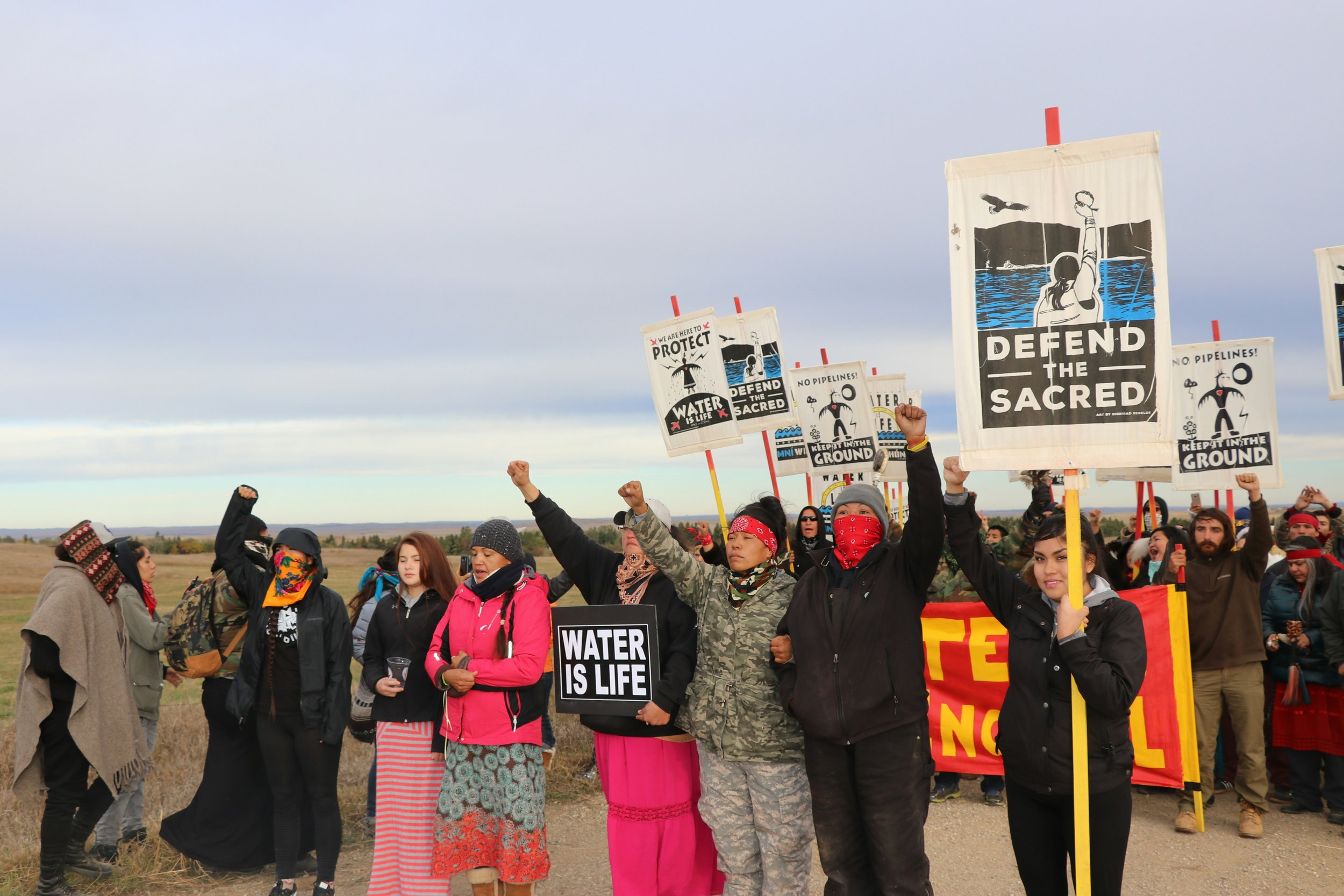
Extractivism creates a system and worldview where life is not considered sacred, simply a part of an equation or commodity. This extraction happens from humans (through workforce and forced labour) and environment (colonisation and mining).
Extractive economies create a foundation for ill health and disparities including amongst racially minoritised, disabled, LGBTQ+, lower classed peoples by framing health in terms of abilities to work and produce preferred offspring.
Many sectors such as housing, health and education have historically been used as vehicles in enacting supremacy and hierarchies against marginalised people resulting in erasure and ill health.
Individualisation of health shifts the perceived influence of structural impacts on health such as white supremacy, patriarchy, and extractivism and positions behaviour and genetics as primary causes of ill health.
What in this lesson stood out for you?
Debate Questions
These questions are framed to help you apply your own experience and perspectives to points raised in this lesson.
What is one hierarchical view of health that you've had to or are trying to unlearn?
What are 1-3 negative impacts of the extractivist, supremacist, and/or individualist approach to health that your health justice advocacy addresses?
What are ways to articulate current environmental injustices and goals of environmental justice outside of the colonial notion of justice?

How To…
Articulate environmental injustice outside of colonial, supremacist notions of justice
Extractivist Layer(s):
What is the level of consent in the extraction or consumption certain members of the ecosystem are enacting on others? What legal, economic, or cultural norms have enabled this extraction?
Supremacist Layer(s):
Are there legal, economic or cultural positions that prioritise certain members of society or humanity in general influencing your community? How do these supremacist ideologies influence how environmental injustice is defined? How do these definitions hinder advocacy?
Individualist Layer(s):
What is the level of consent in the extraction or consumption certain members of the ecosystem are enacting on others? What legal, economic, or cultural norms have enabled this extraction?
Next Lesson:
Module 1 Lesson 2