
Module 1: How to Understand Environmental Injustice
Featuring :
Hannah Yu-Pearson
Centric Lab

Joshua Artus
Centric Lab
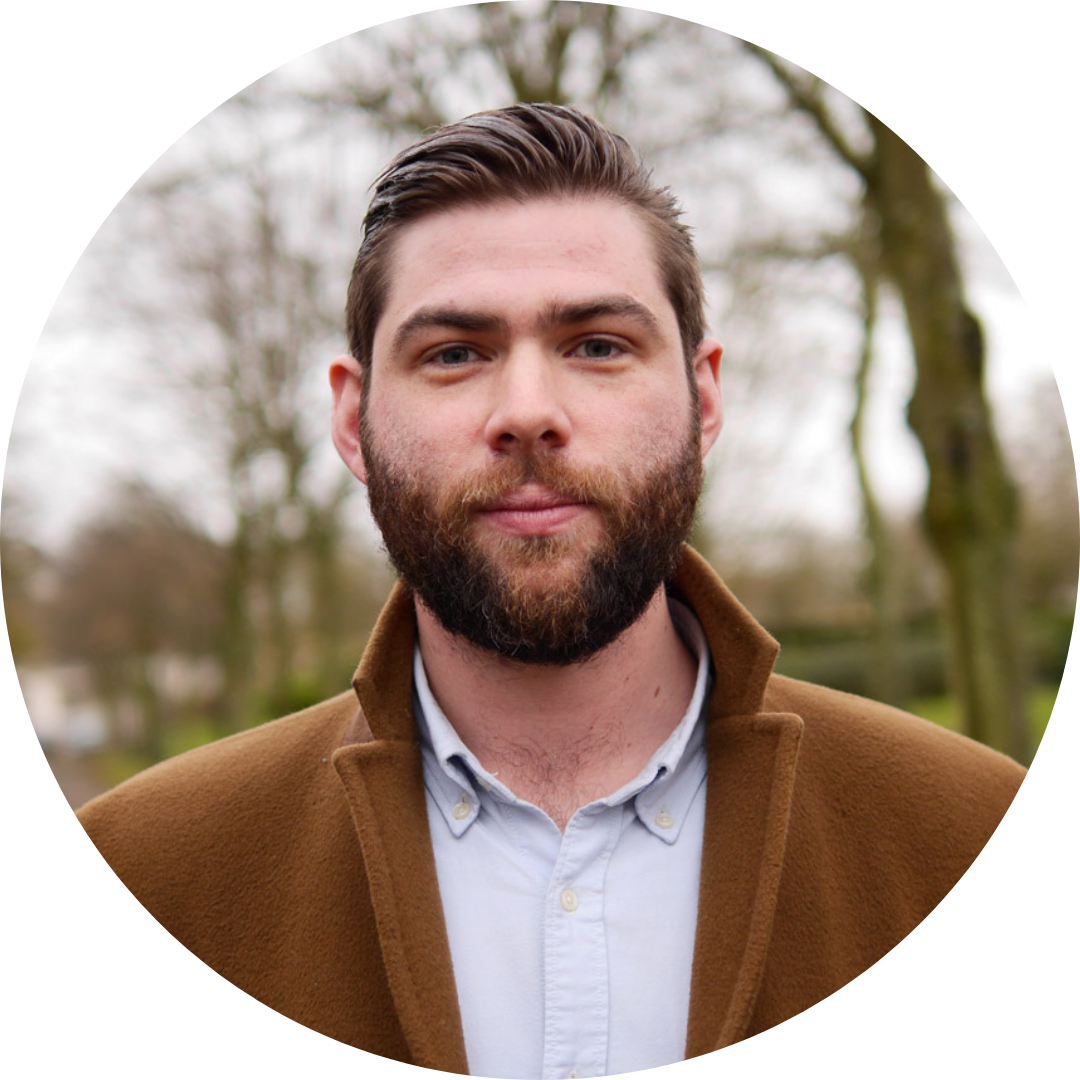

Hannah Yu-Pearson and Josh Artus from Centric Lab are speaking with us about how we measure air pollution and the mechanisms that give companies the Right to Pollute our communities.
They also share insights into the importance of our relationship with our environment and the philosophies needed to advocate for a justice-based view of health.
Key Learnings: Definitions
-
Attributes of an individual that are associated with collectivist cultures where their attention is placed on others.
-
A community group fighting for our right to breathe clean air in Southall and Hayes. CASH believes the air in our streets, homes and schools is being poisoned by the redevelopment of the Old Gasworks, where the soil has been found to contain benzene, a carcinogen, and other harmful chemicals. Since the Berkeley Group began work on the site in Southall, local residents had to live with a suffocating petrol-like odour and many people have reported breathing difficulties, chest pains, cancer and other symptoms consistent with chronic exposure to benzene.
-
Cuerpo Territorio is a method stemming from Indigenous conceptions of Latin American geography, which recognizes the centrality of situated and embodied experiences as a form of knowing. The concept of cuerpo territorio enables knowledges and conceptualisations of land and body similar to ecological health but outside of the Anglophile and Western paradigms.
-
A widely studied biological system based on a communication between the nervous and endocrine (hormones) systems that is responsible for regulating stress reactions, immune system, and fertility.
-
A mixture of solid particles and liquid droplets, some naturally occurring and some caused by pollution and human activity, found in the air. Some particles less than 10 micrometers in diameter (PM10) can get deep into your lungs and some may even get into your bloodstream. Of these, particles less than 2.5 micrometers in diameter (fine particles or PM2.5) pose the greatest risk to health by their ease of entering the bloodstream.
-
The working definition of a Sacrifice Zone is a geographic area that has been permanently impaired by environmental damage or economic disinvestment. However, such an expanse and non-specific definition causes two problems. Firstly, it allows for legal disputes over what is meant by “impaired” and “permanently”. These disputes often exist between what a legal firm instructed by a corporation defines as impaired or permanent and how a community abolishing injustice defines these terms based on their everyday lived experience.
-
Susceptibility refers to the effects of biological inequity on the human immune response, specifically the fact that persistent environmental stressors on a community place these individuals at a heightened risk of developing severe symptoms and chronic illnesses compared to a normative population, not exposed to significant stressors.
Key Learnings: Our Thoughts
Finer (smaller) particulate matter causes more acute negative health outcomes because they can reach the blood stream and cause inflammation. For this reason, if possible, always at least collect and receive data in PM2.5 measurements when collecting pollution data for initial investigations and campaigns.
Particulate matter readings are not direct metrics of the health of beings in an area.
Public health suggestions are usually based on averages that will not be strict enough for those in more critical or susceptible conditions.
Assimilative capacity and similar processes brought into policy allows pollution to be assessed in isolated incidents rather than the holistic impact on an ecosystem not always visible at the source or at a certain point in time.
In many, particularly Western, approaches to health people do not see themselves as in direct relation to the environment. It becomes easier to generate destructive practices such as assimilative capacity when there is a disconnect from the environment.
What in this lesson stood out for you?
Debate Questions
These questions are framed to help you apply your own experience and perspectives to points raised in this lesson.
What are some dimensions of health that you believe are important for a more representative definition of health for communities and their members?
What socio-economic factors or local infrastructure/activity that will likely affect your community's susceptibility to pollution past the average level?
Do you have any experiences or ideas around how we link climate change and more localised pollution advocacy from a position on kinship with people, environment, and other beings?

How To…
Identify sources of pollution susceptibility in your community
Community Health Impact Assessment Toolkit (CHIAT)
This justice-led toolkit is designed to support grassroots community groups co-producing a community informed Health Impact Assessment (HIA).
This toolkit is designed to be used by grassroots organisations without the interference of domineering authorities. This is to give space and time for people to imagine a way something could be done, rather than being shoehorned into what’s permitted.
Right to Know
Right to Know is a project by Centric Lab and designed to allow you to discover more information about what's going on around you in the built environment. It is rooted in environmental justice work that identifies whether certain communities are more predisposed to living in environments that are a hazard to their health.
Next Lesson:
Module 1 Lesson 3