
Module 1: How to Understand Environmental Injustice
Dr Jake Robinson
Flinders University
Featuring:
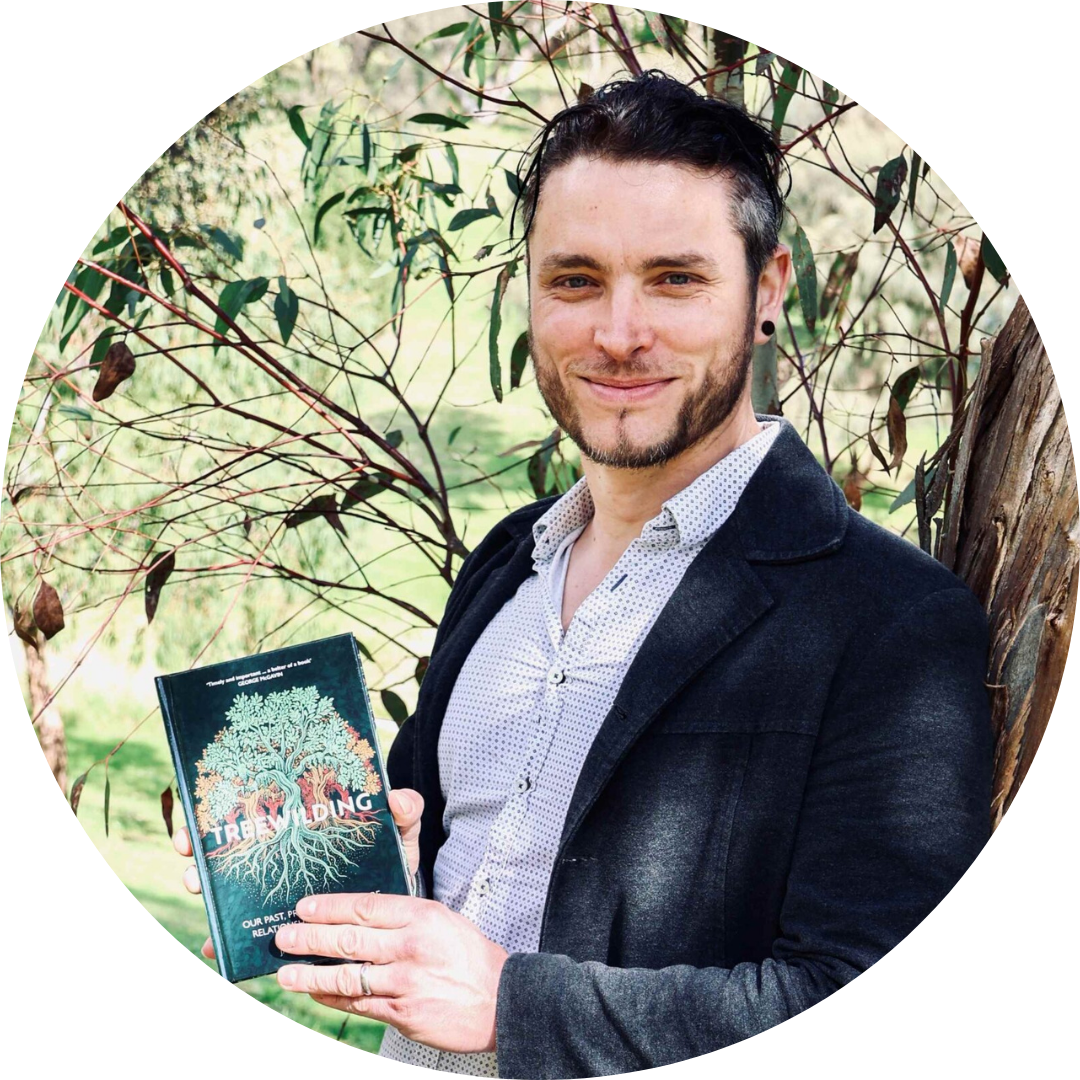
Dr Jake Robinson, a microbiologist and restorist at Flinders University, speaks with us about Air from a chemical and a life perspective.
Jake recently founded the Aerobiome Innovation and Research Hub (The AIR Hub), an initiative aiming to research and safeguard the beneficial biological components of air for both human and ecosystem health, and shares some of his principles and insights around our relationship with Air.
Key Learnings: Definitions
-
An immune system that builds up memory cells to prepare for incoming pathogens.
-
The given invisible community of life in a given air space made up of various species such as viruses and bacteria.
-
The principle states that two species cannot coexist if competing for the same space or resources.
-
The complete set of DNA and genetic material an organism needs to develop and function.
-
Bi-directional communication between gastorintestinal (GI) tract and the central nervous system (CNS).
-
Host plus trillions of microbial partners (microbiome) that work symbiotically as a unit that is fed by microorganisms from the environment.
-
Following the "old friends" hypothesis in which there are a selection of microorganisms that have existed and evolved with humanity helping us develop healthy immune systems.
-
A community of microorganisms living in a shared environment, such as the human body.
-
Where there hasn't been major degradation, nature can heal over time by simply removing the damaging factors.
Key Learnings: Our Thoughts
The air biome is mostly fed by the soil through a variety of manners such as evaporation and wind.
Chemical and liquid pollution negatively affects the soil microbiome by increasing abundance of pathogens and degrading the community of life.
Air pollution interacts with microbes in air to affect communities in the air, human and living bodies, and the composition and condition of pollen grains, leading to non-communicable diseases and allergies.
We should view organisms as communities of life that need biodiversity of microbiomes, not individual entities.
75% of soil on earth is affected by degradation and it could reach 90% by 2050 on the current trajectory.
Air is an extension of us and is more than a simple chemical composition. It is our ancestor with a shared presence that connects us and all life forms requiring reciprocity.
What in this lesson stood out for you?
Debate Questions
These questions are framed to help you apply your own experience and perspectives to points raised in this lesson.
What has been your relationship with air as a shared presence and connector of life forms?
Are there activities in your local environment that are concerning in terms of healthy air biomes and the impacts on land, people, and other beings?
What is one activity you can do to support the healthy biodiversity of your body as a hologenome and your impact on the surrounding environment?

How To…
Approach natural restoration and microbial biodiversity
Physical restoration: Create physical conditions that counteract the results of degradation.
What negative changes to conditions have occurred because of degradation?
Chemical restoration: Bring chemicals that enable beneficial reactions and nutrients.
Are these chemicals easily attainable? Can these be safely and sustainably introduced?
Bring back micro-organisations to favourable conditions.
Are the favourable conditions achievable at a smaller scale first?
What can be put in place to prevent the return of degradation?
You are done with Module 1!
Next Lesson:
Module 2 Lesson 1