
Module 2: How to understand ecological health
Araceli Camargo
Centric Lab
Featuring:

Joshua Artus
Centric Lab

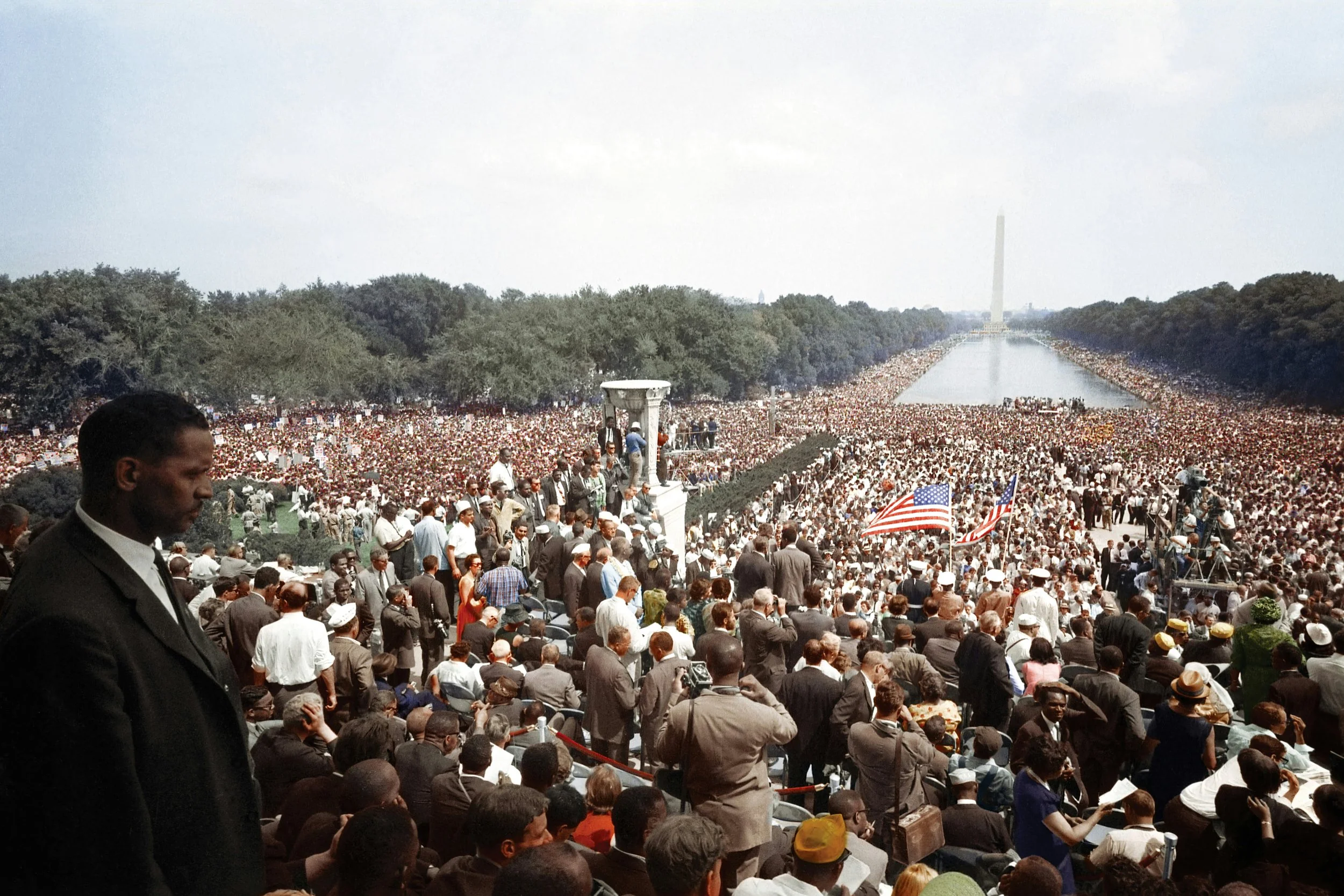
In this lesson Araceli Camargo and Josh Artus cover the history of ecological health justice and some of the main organisers and examples of this movement. They cover the importance of using an ecological health framing in your advocacy work.
This lesson covers social epidemiology, structural violence, and examples of some of the main polluters and how they have created ill health and injustice.
Key Learnings: Definitions
-
The science or practice of drawing maps.
-
Also known as an infectious or transmissible disease. Illnesses that can be spread from one to another, for example COVID-19, Tuberculosis (TB), Measles, etc.
-
The endocrine system is a network of glands that produce and release hormones, chemical messengers that regulate various bodily functions - mood, growth, metabolism, and reproduction.
-
Epidemiology is the study of how diseases occur and spread in different groups of people and why, social epidemiology focuses on how social and economic factors, like poverty, inequity, and discrimination influence health outcomes and disease distribution. Community led epidemiology is an approach where community members participate in identifying health problems.
-
Eugenics rests on a belief that complex diseases and disorders are solely the outcome of genetic inheritance. Eugenics is an inaccurate theory that humans can be improved through selective breeding of populations. It is linked to historical and present day forms of discrimination, racism, ableism and colonialism.
-
Long term diseases that are long-term and cannot be directly transmitted from one person to another, they are not infectious or contagious. For example, asthma, cancer, heart disease, diabetes.
-
In the context of health, susceptibility refers to the likelihood or predisposition of an individual to develop a disease or condition.
Key Learnings: Our Thoughts
Understanding some of the history and roots of this type of work is very significant because the more education and awareness that we have, the harder it is for our experiences to be denied by the polluters.
Air pollution, trauma, emotional stress will all impact the functioning and regulation of the endocrine system, which in term impacts diseases such as diabetes, or bodily processes such as menstruation. Centering disease on a person’s ethnicity or race is inaccurate, unscientific and rooted in eugenics.
WEB Du Bois created a set of maps where he looked at the environment, living conditions, work and see how they created a very specific experience of being racialised. These maps showed how segregation by race and social class corresponded to very high incidences of poor health outcomes, giving a geospatial viewpoint of what racism does.
Charles Booth organised and funded one of the most comprehensive and scientific social studies of London to inform a social epidemiological understanding of the unprecedented urban growth, scale of poverty and ill health in London. The Inquiry into the Life and Labour of the People of London 1886-1903.
Poverty is not an accident or inevitable, it is a deliberate outcome of capital gains and wealth accumulation.
South Wales Miners Federation (1922) proved the relationality between employment, place and poor health, the reason the people in this community were getting sick and dying at a young age was because of their exposure in the mines, as well as poor working conditions and living in overcrowded, inadequate housing.
Professor Robert Bullard began using the vocabulary of environmental racism showing in 1979 that in the US landfill sites were located in neighbourhoods where majority Black people lived.
Communicable diseases, diseases that are contagious such as COVID-19, also fit into this lens of ecological health and place and health, because despite it being an infectious disease, some people are still more susceptible than others. Trauma, stress, pollution can all impact various bodily systems and inflammation, lowering immunity and increasing susceptibility. Susceptibility can also be impacted by inadequate housing or fuel and water poverty.
The polluters tend to follow a ‘playbook’, they offer an already precarious community that has high economic deprivation jobs in their industrial or agricultural site. However, these jobs are precarious, with low pay, working conditions and rights, and are highly exposed to pollution and hazards. For example, Boca Chica where SpaceX’s Starship production and test facility is based.
What in this lesson stood out for you?
Debate Questions
These questions are framed to help you apply your own experience and perspectives to points raised in this lesson.
What environmental justice battles have been won in your area that you could learn about?
What advocacy groups around the country have worked on this or similar issues that you can connect with, share strategy and learn from?
Could you study some of the maps and existing data of your area to observe patterns or emerging trends? Would you be able to supplement it with your own research of observations?
How do you place yourself in the history that was shared in the audio? Is your work a continuation of any of the people or groups mentioned?
How To…
Draw on the long history of environmental justice as Kin
Starting with your area, are there elders or existing advocacy groups in your community that could tell you the history of what has happened and share insight on ground that has already been made?
You may find this within formal networks, such as political and academic spaces, or informal networks, such as social media, local news, or references from peers.
You can create opportunities for mutual recognition and exchange of ideas.
You may also give them a medium to reflect on their experiences and your intentions as a community advocate
Looking beyond your area, are there advocacy groups or campaigns, nationally or internationally, that have worked on similar issues and been successful, how can you learn and connect with them?
You may find these are ties to groups advocating for national commitments, local preservation, and cultural affinity groups.
Next Lesson:
Module 2 Lesson 5