
Module 4: How to Advocate
Hannah Yu-Pearson
Centric Lab
Featuring:
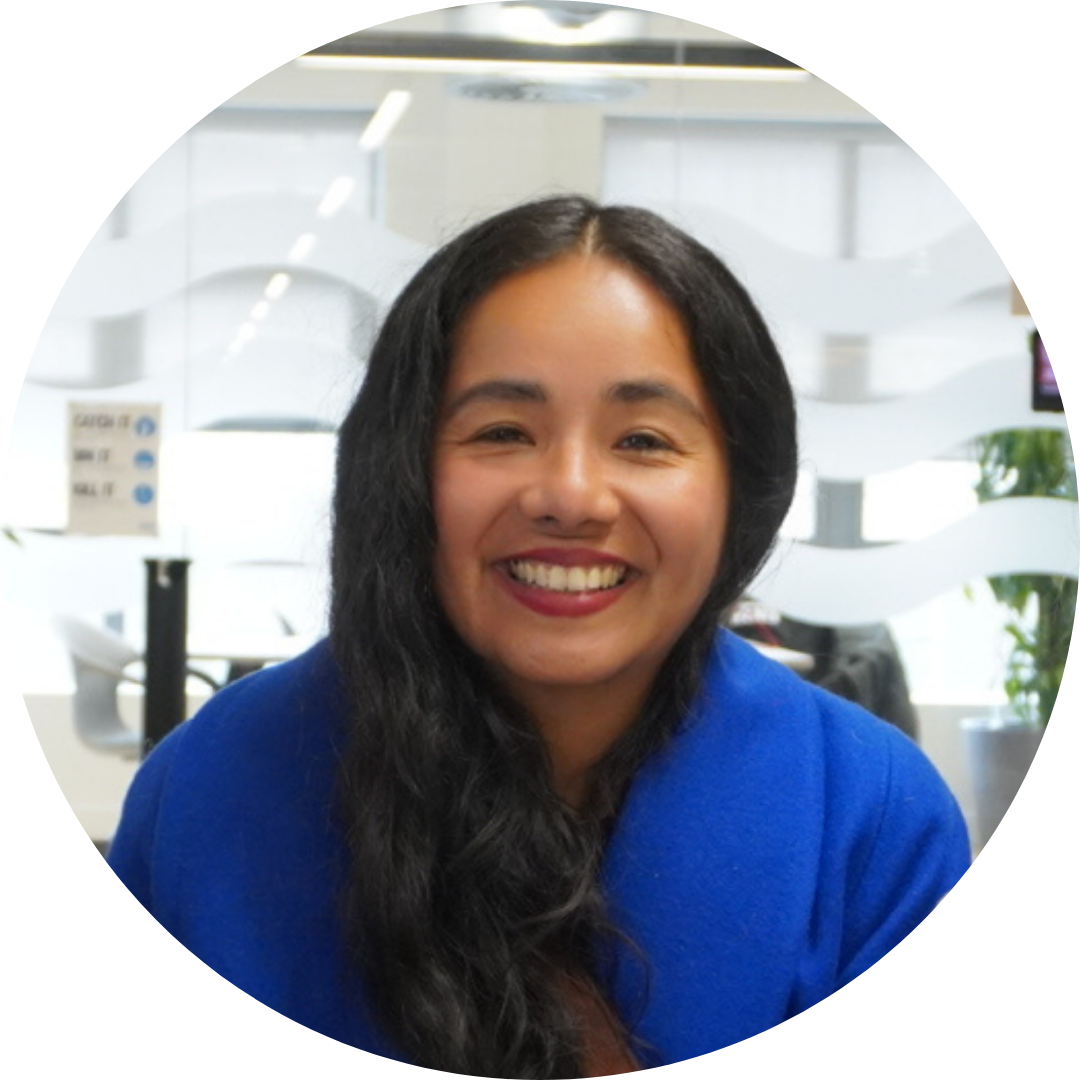
Angela Fonso
Clean Air for Southall & Hayes
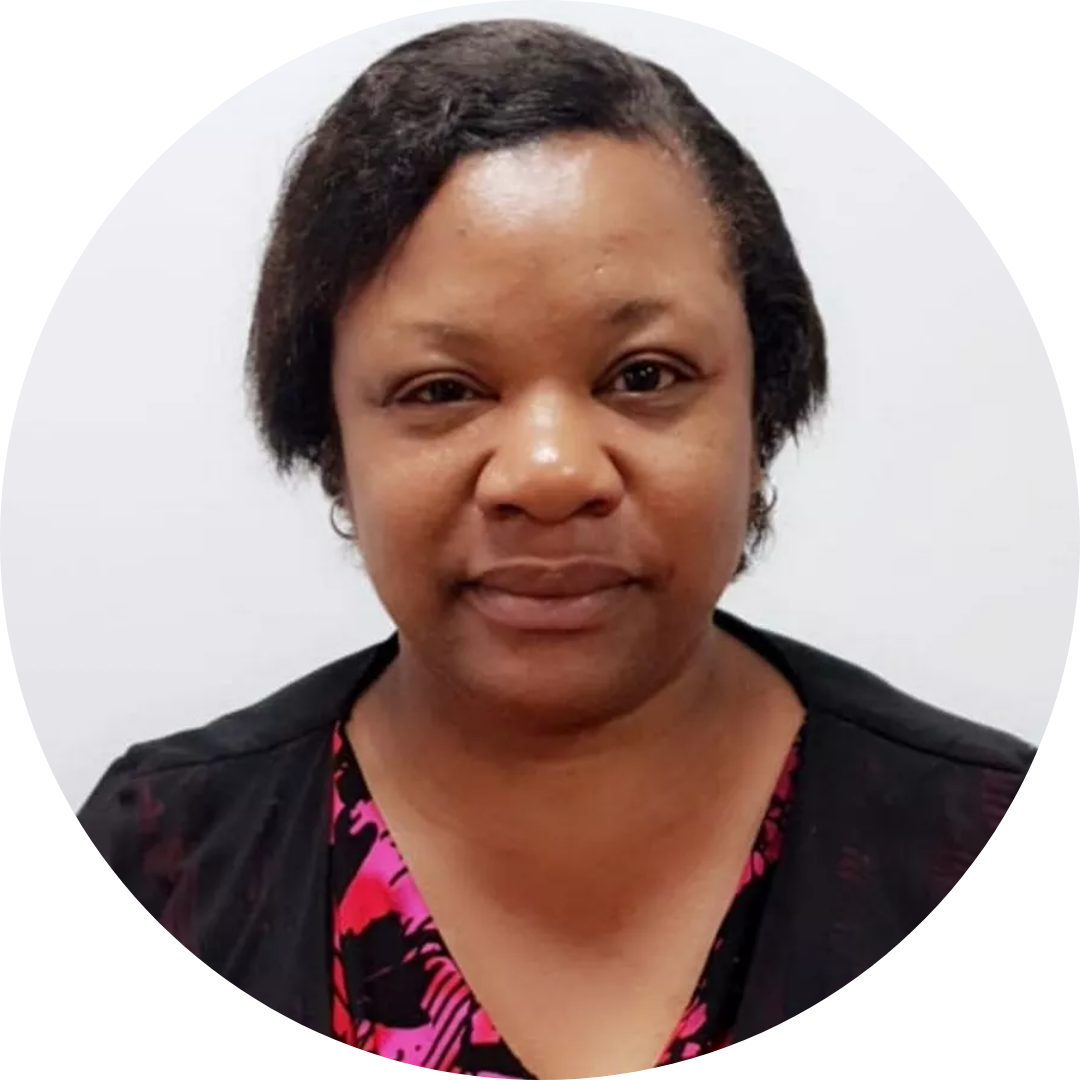
In this lesson, Araceli sits down with Angela Fonso, a lead organiser for the West London campaign group Clean Air for Southall and Hayes. Angela shares her story of organising as a ‘general citizen’ with no previous experience, discussing the trials and tribulations along the way.
Key Learnings: Definitions
-
A property developer is a person or company that buys land or existing property with the intention of adding value to it and then selling or leasing it for a profit. They manage the entire process, from finding a project to overseeing construction and marketing. They can be compared to a film-producer, someone who has all the contacts and know-how to make a project come to life.
-
Contaminated land is land polluted by substances that are potentially harmful to human health and the wider environment. In the UK we have a long and diverse industrial heritage and it is estimated that there are approximately 325,000 potentially contaminated sites within the UK. Land contamination can occur through a number of ways. These can include previous industrial activities (e.g. former gas works, tanneries and factories), waste disposal (e.g. historical landfills) or accidental release of chemicals (e.g. leaking oil tanks). In some cases there are naturally occurring high levels of chemicals, contaminating land.
-
Volatile organic compounds (VOCs) are carbon-based chemicals that easily turn into vapor at room temperature. They are emitted from a wide variety of sources, including industrial processes, vehicle exhaust, and everyday household products like paints, cleaning supplies, and new furniture. In the atmosphere, VOCs can react with other gases to form harmful air pollutants, and high concentrations indoors can cause health issues like headaches and dizziness.
-
A carcinogen is a substance, agent, or exposure that can cause cancer by damaging a cell's DNA, leading to uncontrolled cell growth. These can be chemical (like asbestos), physical (like UV radiation), or biological (like certain viruses). Exposure doesn't guarantee cancer, but it increases risk by creating mutations that cells' repair processes might not fix.
Key Learnings: Our Thoughts
Start talking, don’t be afraid to ask questions to your neighbours.
Use existing local social networking apps to share stories and ask questions.
Meet in convenient, accessible places, such as restaurants (ideally locally owned ones so that money stays within the community).
Believe in the agency of your neighbourhood, there are people with great capabilities.
Trust your gut, if the answers you’re receiving don’t sit right with you then keep searching and asking for help. Don’t allow data to be a weapon against truth. A person’s lived experience is as valid, if not more, than a data led guideline applied across broad demographics of people and places.
Form partnerships with people and organisations outside of your local area who are experiencing the same issues. You can cross-learn, share tactics, and build strength in numbers. It’s also a powerful way to combat the loneliness that can come from campaigning and advocacy in one geographic area.
Survey and document people’s health experiences, build up a diary both as evidence but as a collective recognition of the phenomenon. Some of these findings may correlate to individualised recordings with local health bodies, such as at GP surgeries.
Be inclusive.
What in this lesson stood out for you?
Prompts
These questions are framed to help you apply your own experience and perspectives to points raised in this lesson.
Are there any nationwide groups talking about the same issues that you can align with? Many are open to sharing insights and co-learning. They can also act as witnesses that your experiences are not singular, that they may be more endemic.
Are there local journalists who’ve covered similar topics beforehand, such as on environmental and social injustice?
How many of your neighbours have you engaged with? Maybe there are more who need a little support to share their story and become a part of something bigger than themselves. Going door-to-door and sharing your stories might help bring some security to people but remember to not expect anything from them. Get your facts, demands, and goals together and consider printing out a one-pager that you can leave with people - sometimes people like to take their time and will respond to you a little later.
Next Lesson:
Module 4 Lesson 4.2