
Module 4: How to Advocate
Joshua Artus
Centric Lab
Featuring:

David Smith
Little Ninja UK

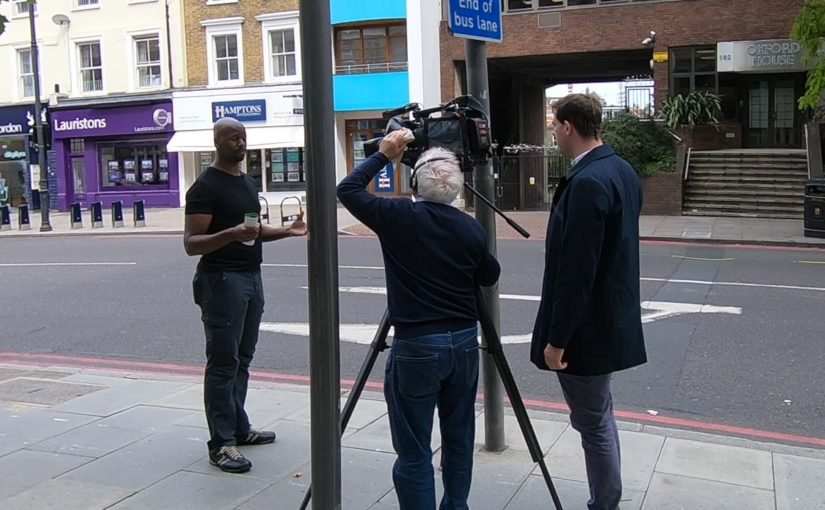
In this lesson Josh from the Centric Lab team speaks to air pollution advocate and campaigner, David Smith about his experiences in advocacy. The lesson focuses on David’s learnings, such as the things he’d do again, and those he’d rather not.
Key Learnings: Definitions
-
Deference politics assumes that the best way to correct injustice is to center or defer to those most affected by it — to let them lead discussions and decisions — but this can often become a performative substitute for structural change. The American philosopher Olúfẹ́mi O. Táíwò critiques it as he believes it does not redistribute material or structural power — it merely reshuffles moral credit among individuals. He writes that instead of focusing on “who gets to speak,” movements should focus on building democratic power, material redistribution, and collective political structures capable of transforming the systems themselves.
Key Learnings: Our Thoughts
Do your research on who’s in charge. Some people go into politics for different reasons than others. Which ones have the same interests and beliefs as you do, maybe they’re the ones that can help the best?
Diarising your campaign journey can be a useful way to find advocates out there, as well as be a resource for documenting evidence in real time. However, be mindful to create safeguarding mechanisms to prevent abuse and manipulation from external forces.
Speak publicly, but be very selective…don’t be someone’s cabaret, token, or entertainment. Work in spaces that are designed to honour your intelligence and intention.
Understand whether there are adjacent advocacy spaces you can work in. For example, could your ideas and advocacy on clean air support the delivery of projects such as active travel, sports, or equality? What other projects are taking place that you can get involved in and support?
Explore funding opportunities - there are numerous newsletters and resources available. Campaigning and advocacy is tiring and time consuming, being properly resourced helps manage the risk of burnout and potentially opens up opportunities for partnerships and engaging with professionals in supporting spaces.
What in this lesson stood out for you?
Prompts
These questions are framed to help you apply your own experience and perspectives to points raised in this lesson.
Are there projects and areas of work that you can feed into - rather than pushing against a heavy door, what ones are already open through adjacent and complimentary means? For example, are there transport initiatives or local business plans that you can influence?
What are the voting records of different councillors and MPs - are some all talk or are some surprising you with their walk and can become new allies?
Are there other organisers in your area who can lend some advice about what methods for advocacy have been effective for them, and what might be helpful to you?
Consider keeping an online diary of your journey. It may feel small at first but there are multiple benefits to this. Firstly, it can act as a time recorded evidence of your experience. Secondly, it offers you the chance to research and craft your communication skills. Thirdly, it can be a powerful tool in finding partners and allies you didn’t know were out there.
Next Lesson:
Module 4 Lesson 3.1